Four-year-old Muneera got pulled out of English school on her first day of kindergarten because elders of the family misunderstood her acting out nursery rhymes to be dance training.
Eight-year-old Muneera got pulled out of primary state school because that was as much education she needed to learn how to write letters from her marital home to her parents in the future.
Eleven-year-old Muneera trained herself to mend clothes to support her big family, because her father lost his job and she had seven younger siblings that needed to be fed. Muneera had to grow up.
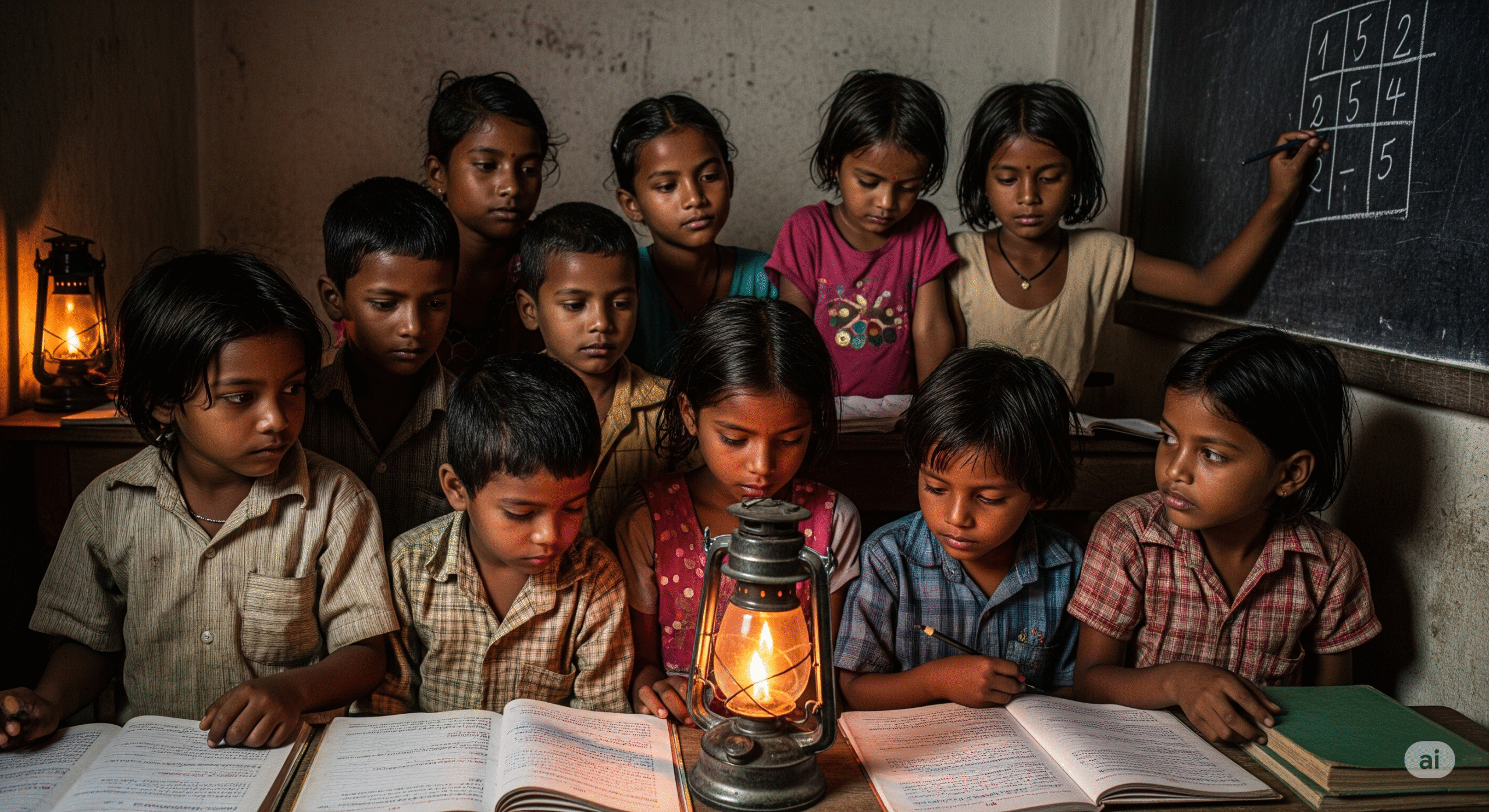
The story isn’t just Muneera’s, there are millions of Geeta’s, Nina’s, and Maria’s with similar stories, with little or no education, destined to receive the same prospects in life as their parents and grandparents.
In developed nations, it’s an established fact that education contributes greatly to growth, general economic progress, and better salaries. These changes are more, if not just as relevant in developing and under-developed countries.
Education, especially for girls in smaller towns and villages is a true investment with a high return as it leads to more economically stable, healthier, and empowered women, it also has a positive impact on family health, and helps discourage practices such as child marriage and infanticide.
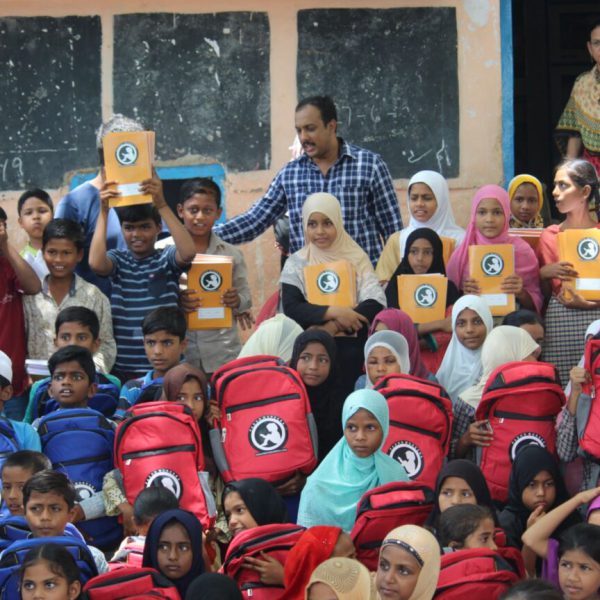
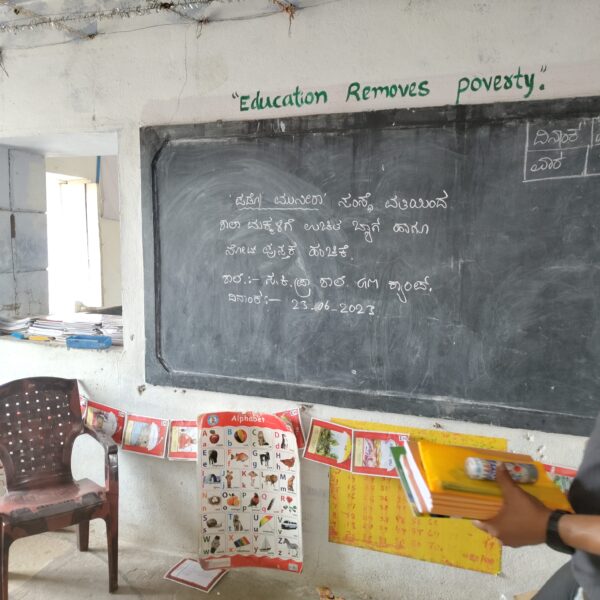
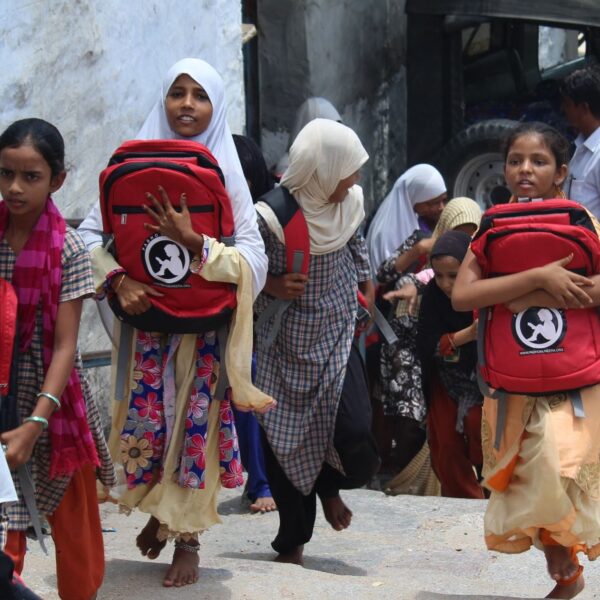
We, of course, leading with our hearts, wanted Padho Muneera (Learn Muneera) to help children everywhere who are deprived of education. But to be able to provide the best support we can, we are starting in a place we are familiar with, and that we know needs our help. Yadgir in Karnataka, India is one of the places facing challenges of low school enrollment amongst girls and a high percentage of dropouts. The families based there largely support themselves by hard manual labour on minimal wages, with no medicinal or educational support for their children.

Number of supporters

Fund raised

Children Helped

Volunteers Worldwide
Follow us on